HANBOK
For a brief time, the garment seems to offer permission to inhabit another rhythm, another time, perhaps even another version of oneself.
Seoul, South Korea · 2025
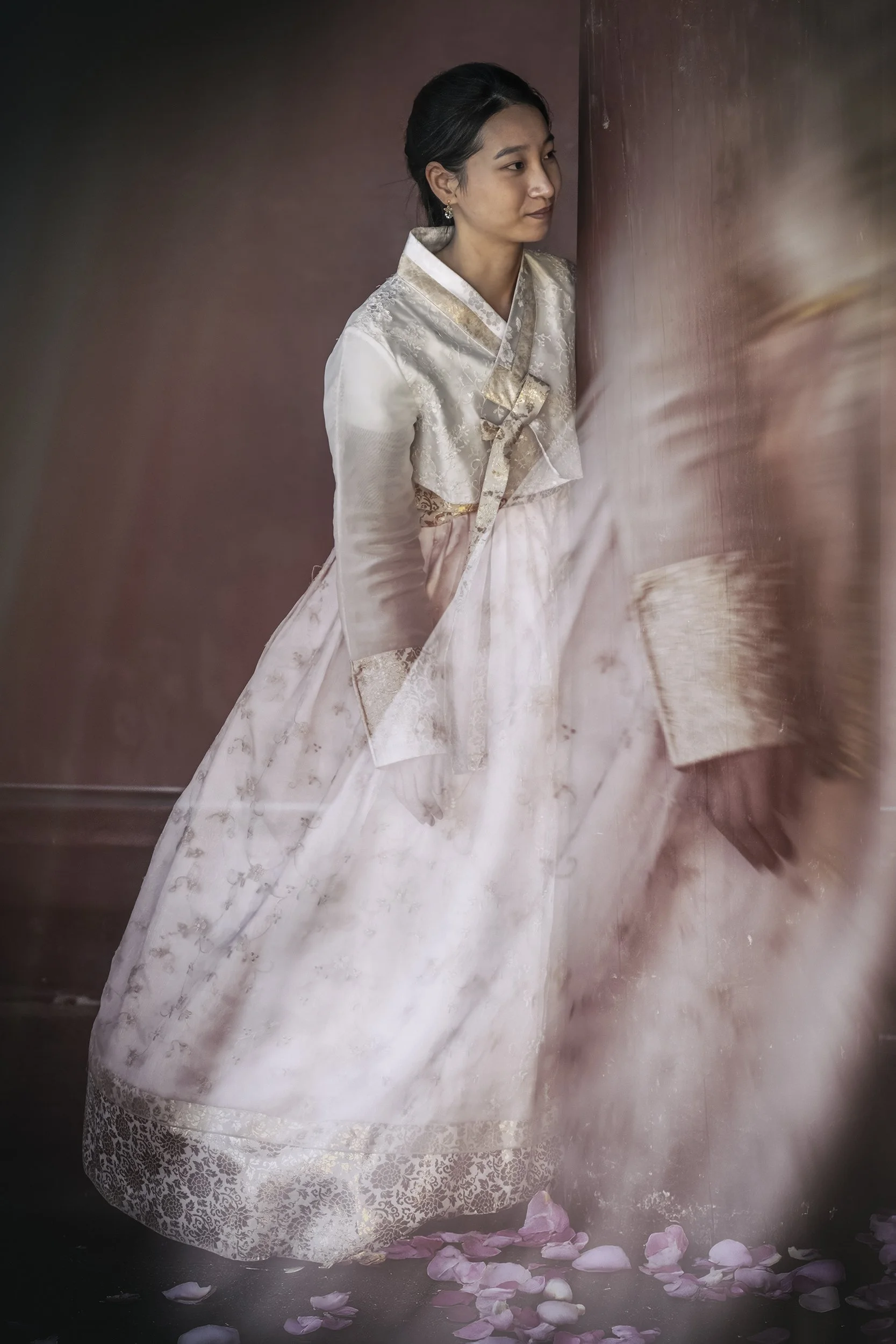
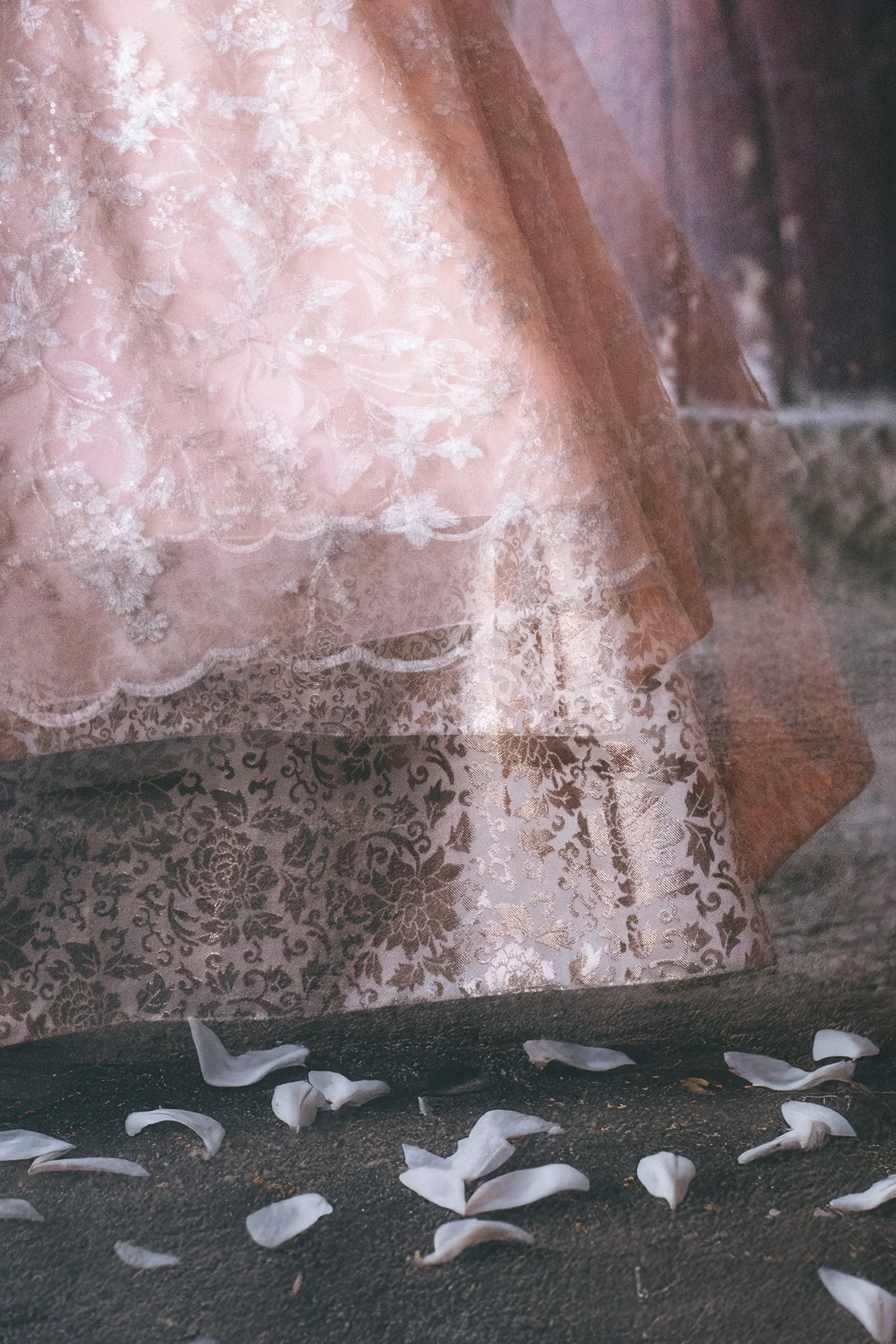
What struck me in Seoul was not the hanbok itself, but what seemed to happen when someone put one on.
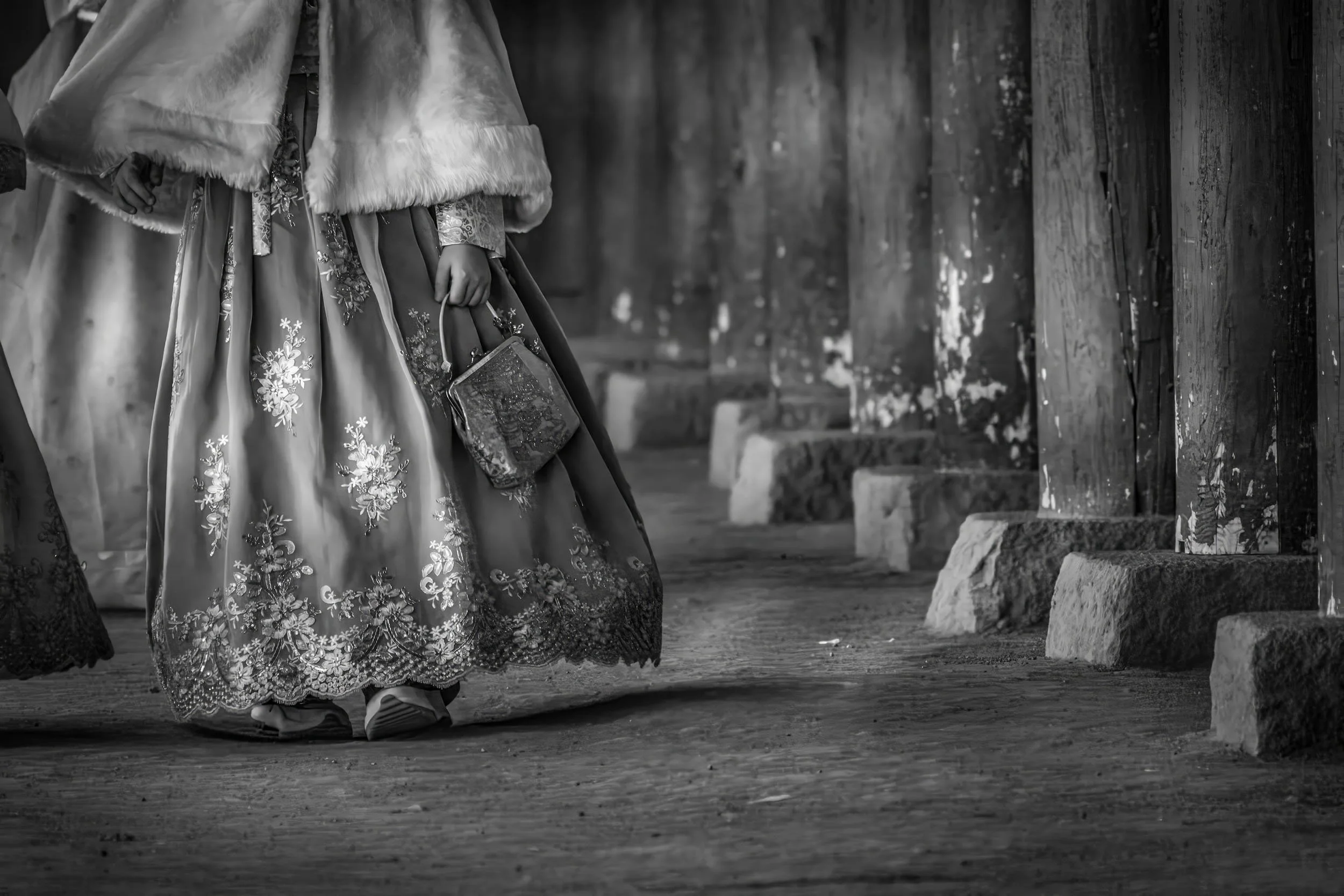
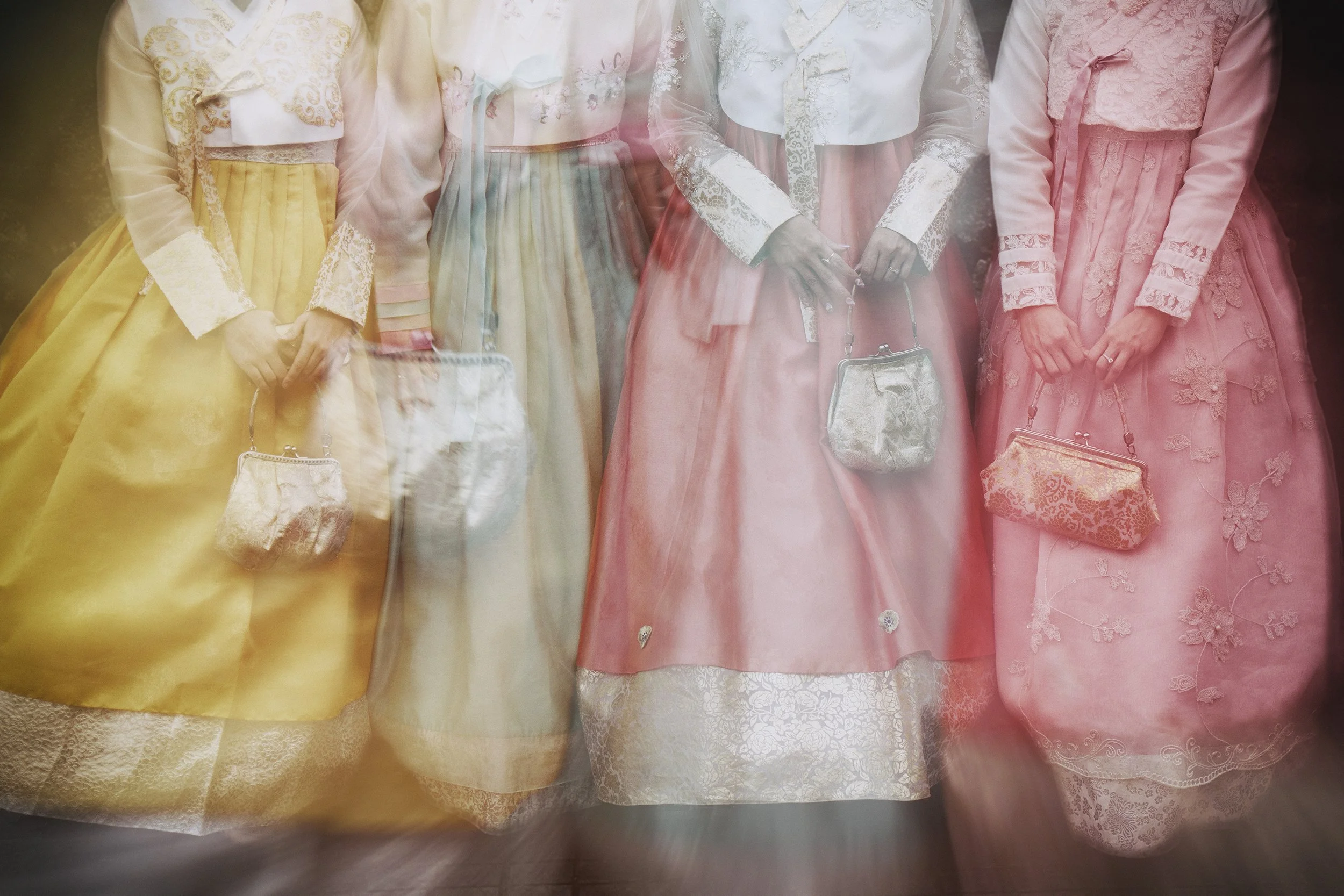
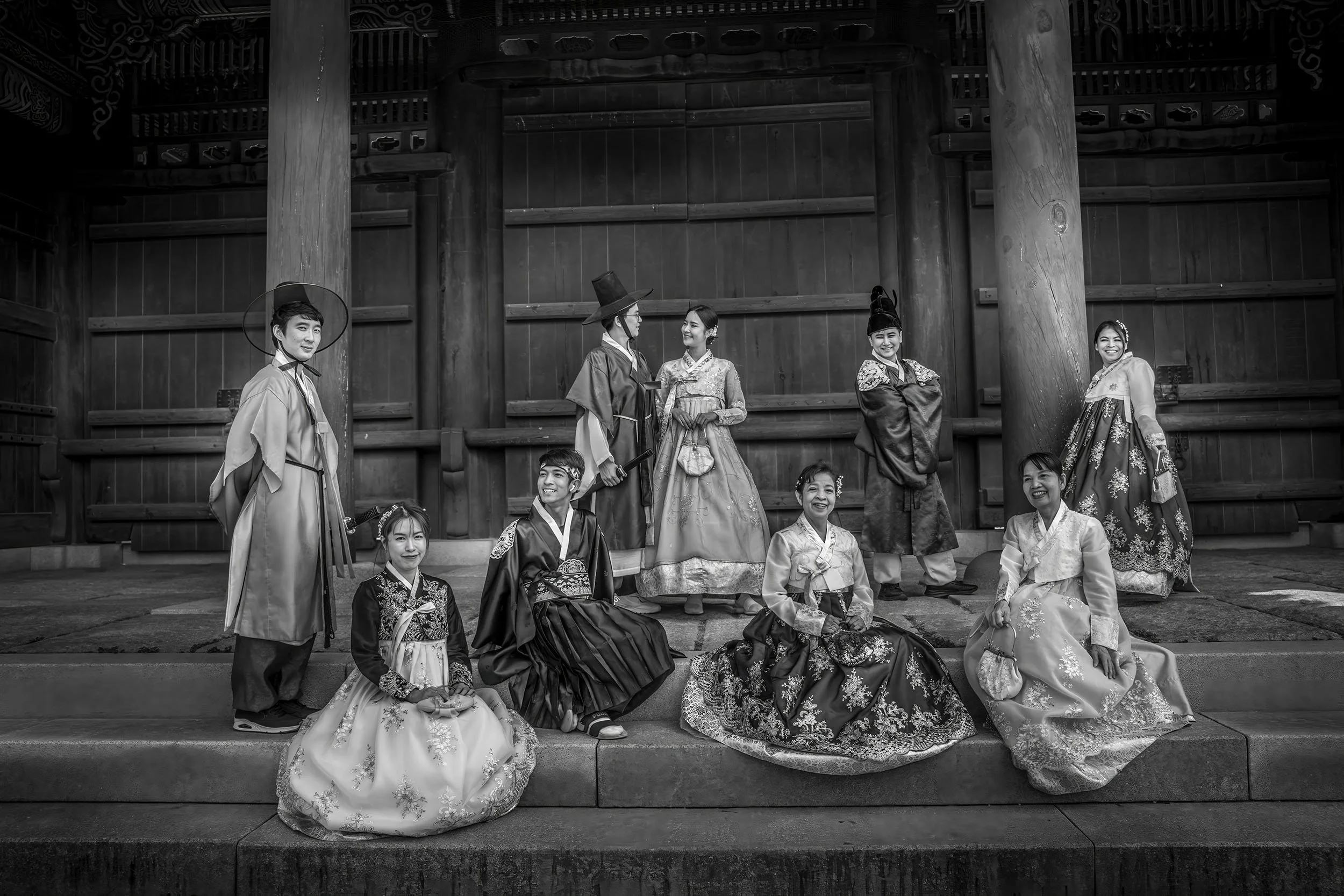
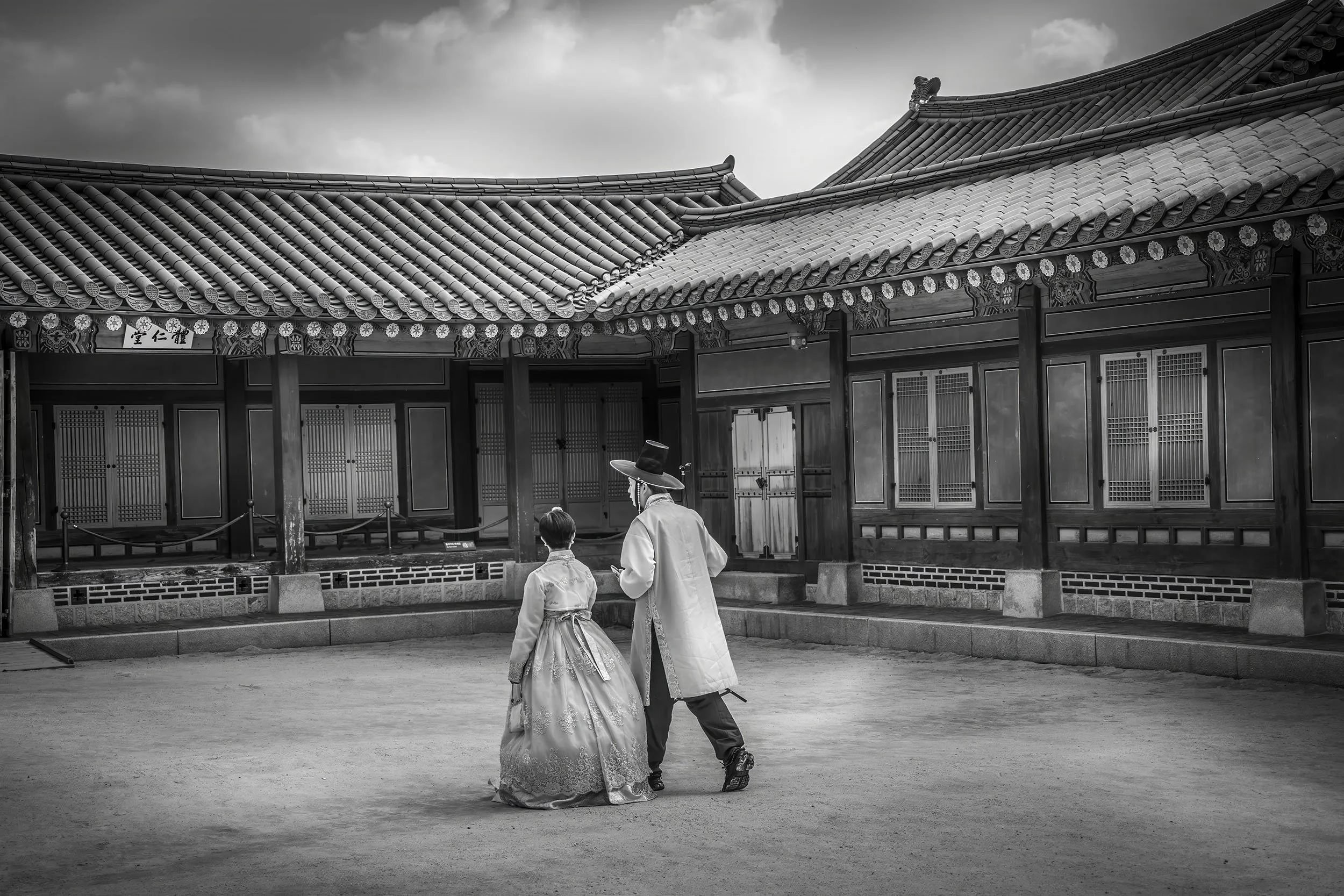
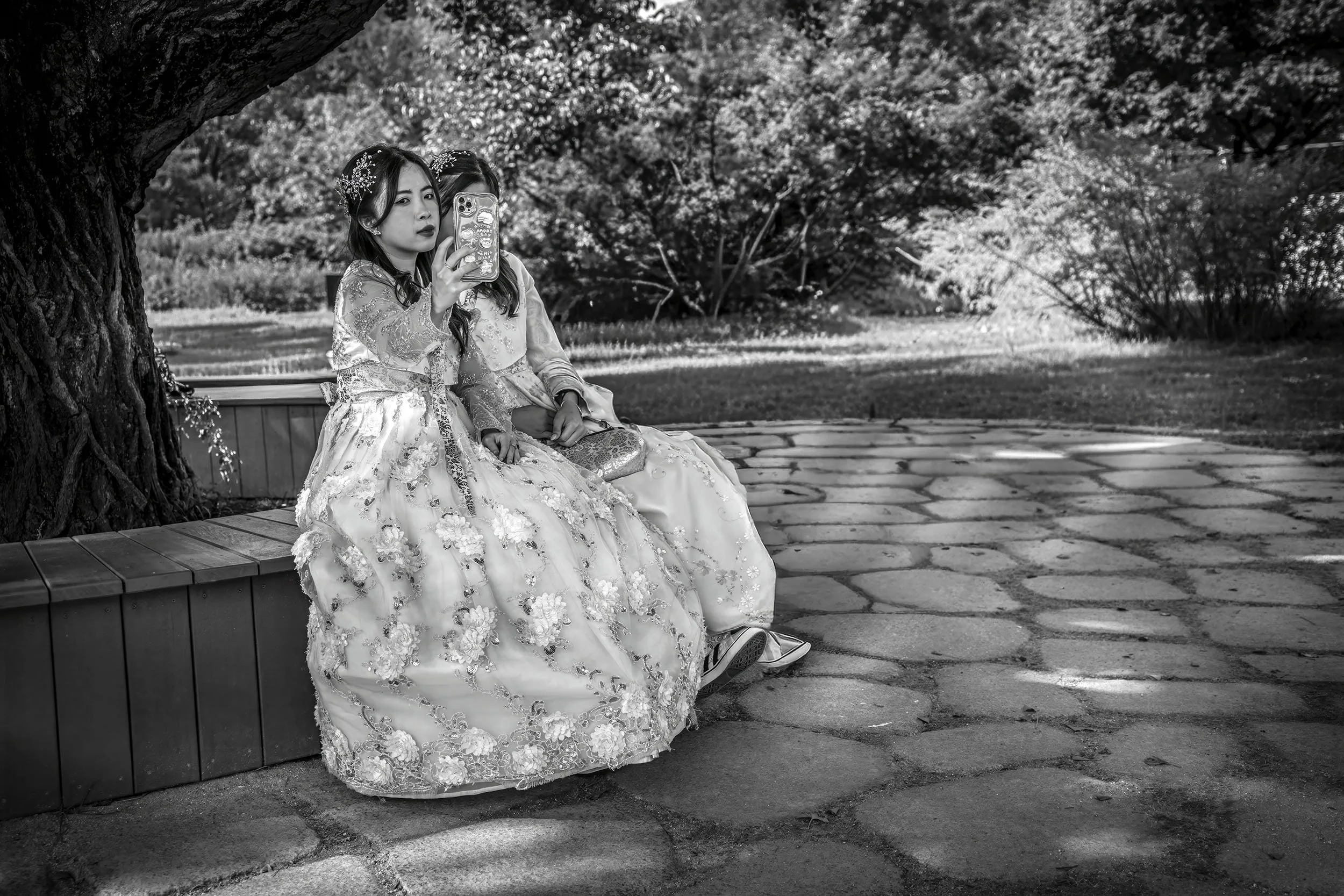
Near the old palace gates, hanboks are rented by the hour. Korean or foreign, young or old, people choose their colours, tie the ribbons, arrange the skirts — and step outside.
And something shifts.
Posture changes. The pace slows. A hand finds the fold of a skirt. Two people begin to move differently beside one another. In the middle of one of the busiest cities in the world, a quieter space seems to open.
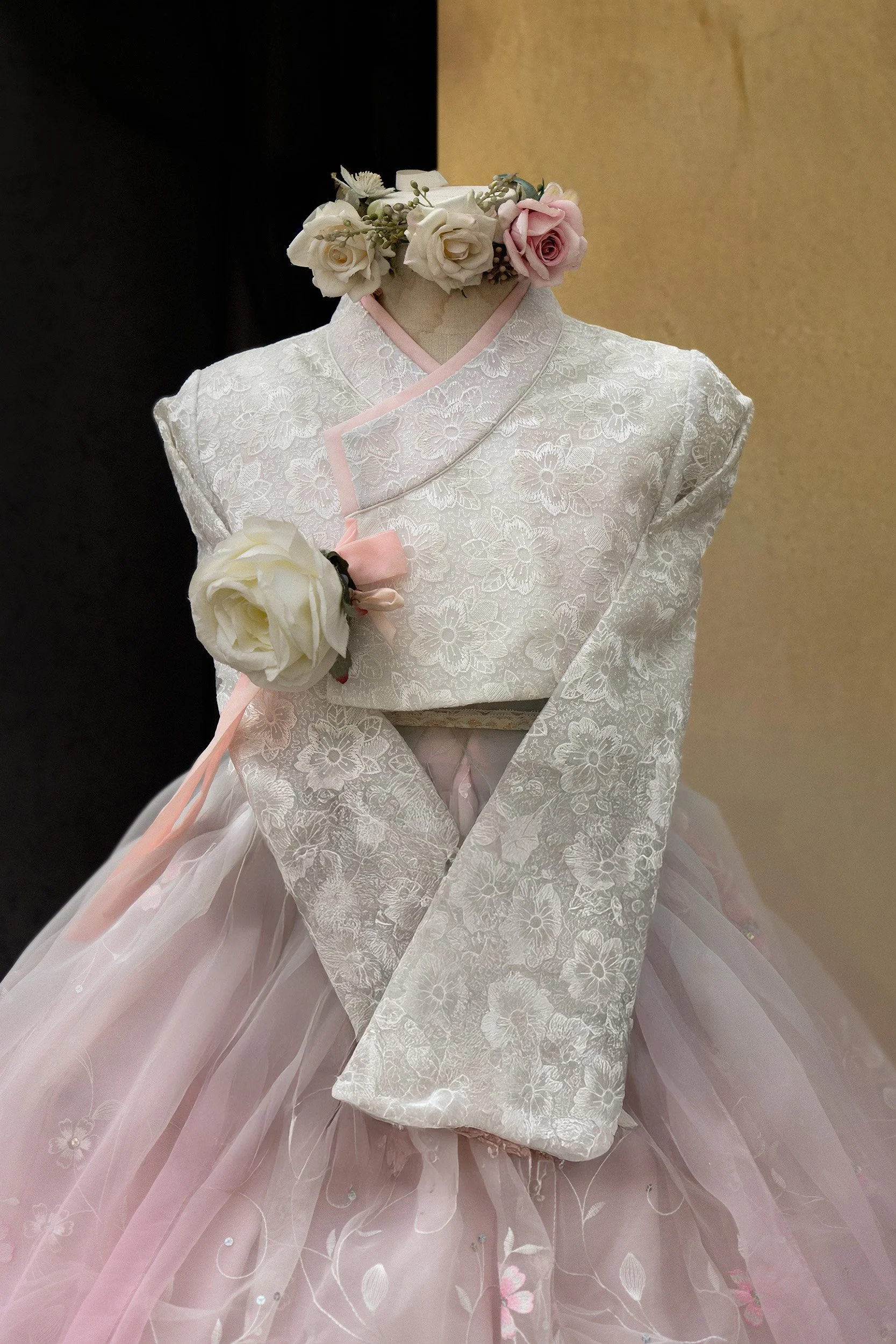
For centuries, the hanbok has moved between everyday life and ceremony. Here, it becomes something else again: tradition temporarily chosen, put on for an hour or an afternoon.
I began photographing that transformation.
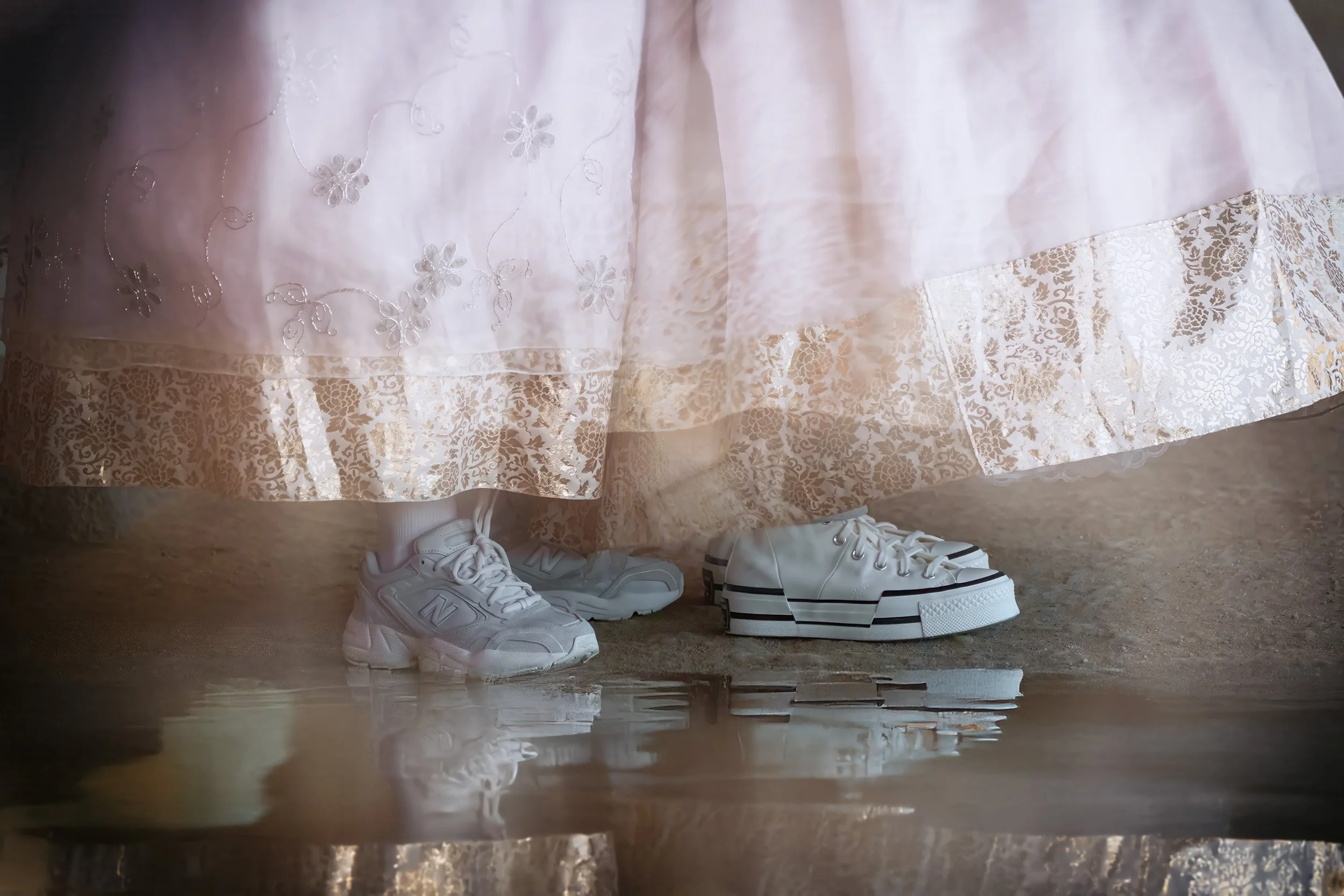
Not the costume itself, but the moment when it no longer seems to be a costume. When someone who was hurrying through Seoul a little earlier suddenly walks differently, stands differently, perhaps even looks differently.
There is performance in it, certainly.
But there is also surrender.
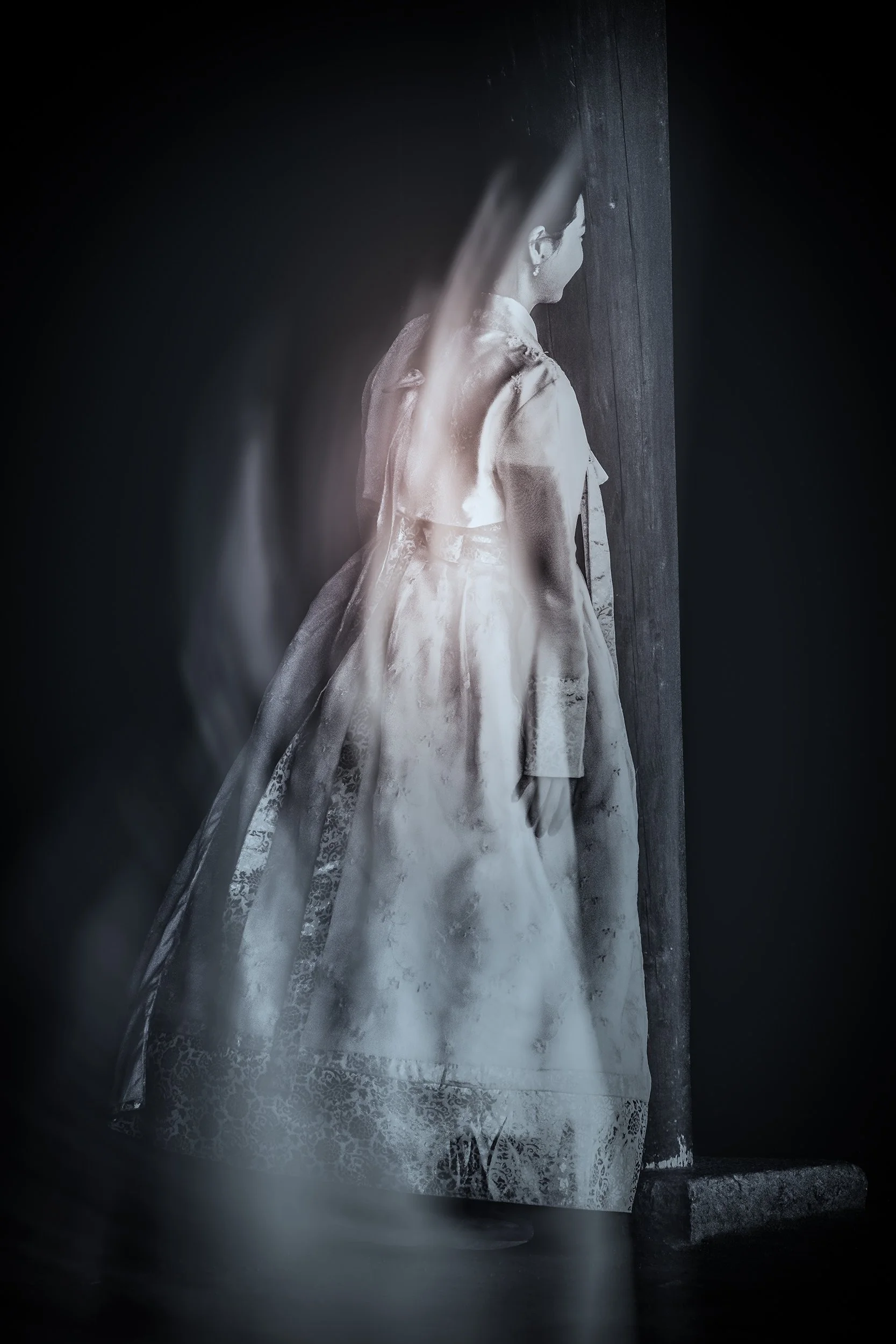
For a brief time, the garment seems to offer permission to inhabit another rhythm, another time, perhaps even another version of oneself.
And then it is returned.
The moment is over.